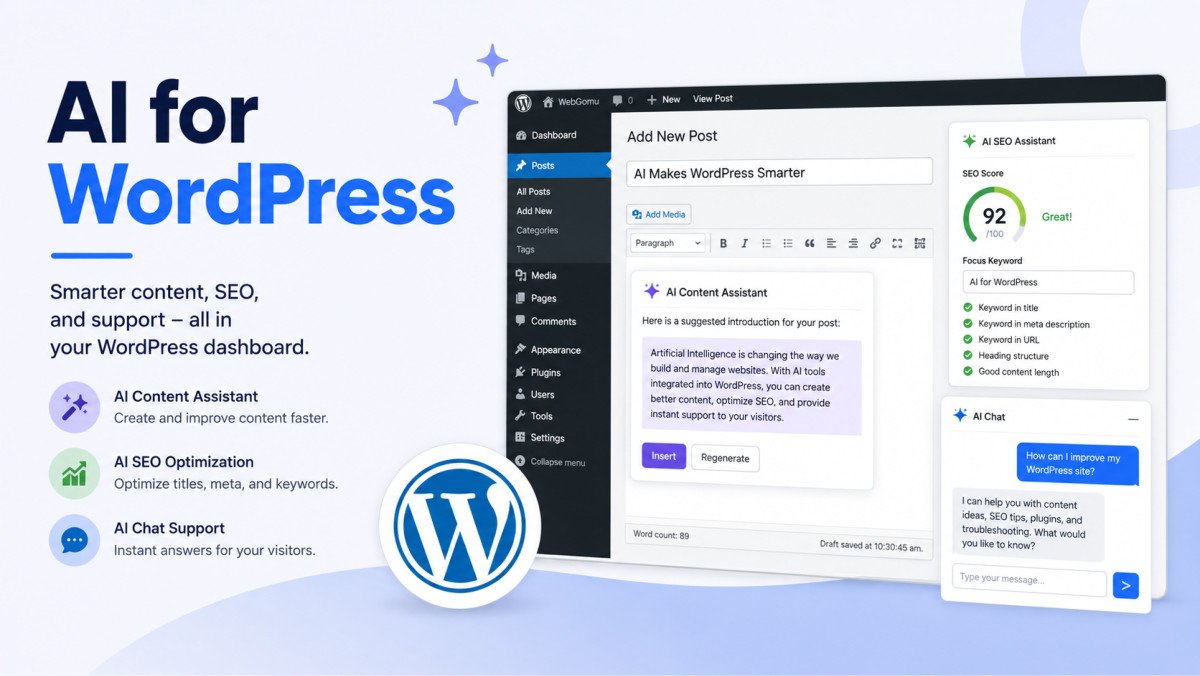
How to Generate Blog Posts with AI (Without Publishing Junk)


The workflow that actually works: plan your topic and angle first, write a detailed, specific prompt (not a vague one), generate a draft, then apply a genuine human review pass, fact-checking every claim and statistic, adding your own real expertise, and cutting anything generic. Skip the review step and quality suffers, publishing unedited AI output at scale is exactly the pattern search engines have gotten much better at recognizing and devaluing since 2024.
Before You Start
Make sure you have the following in place first:
- A specific topic and angle already decided, AI drafts faster when given direction, not when asked to invent a topic from nothing
- Genuine willingness to fact-check and edit the output, this workflow doesn’t work as a one-click publishing shortcut
AI can genuinely speed up blog writing, overcoming a blank page, generating a solid outline, drafting a first pass in minutes instead of hours. But there’s a real difference between using AI as a drafting assistant and using it as a replacement for editorial judgment. This guide covers the workflow that actually produces publishable, trustworthy content, not just fast content.
What You’ll Learn
- The actual workflow that produces quality AI-assisted content
- How to write a prompt specific enough to avoid generic “AI slop”
- Why fact-checking every claim isn’t optional
- What Google actually penalizes, and it isn’t “AI-generated” itself
The Workflow That Actually Works
- strategic planning — decide your specific topic, angle, and target reader before opening any AI tool
- Detailed prompting — give the AI specific direction, covered below
- AI generation — let it produce a first draft
- Human review and enhancement — fact-check, add genuine expertise, cut generic filler
- Quality verification — a final pass checking accuracy, tone, and genuine usefulness
- Publication
Skipping the review and verification steps is where quality consistently breaks down. Each step exists because the previous one alone isn’t sufficient.
Writing a Prompt That Avoids Generic Output
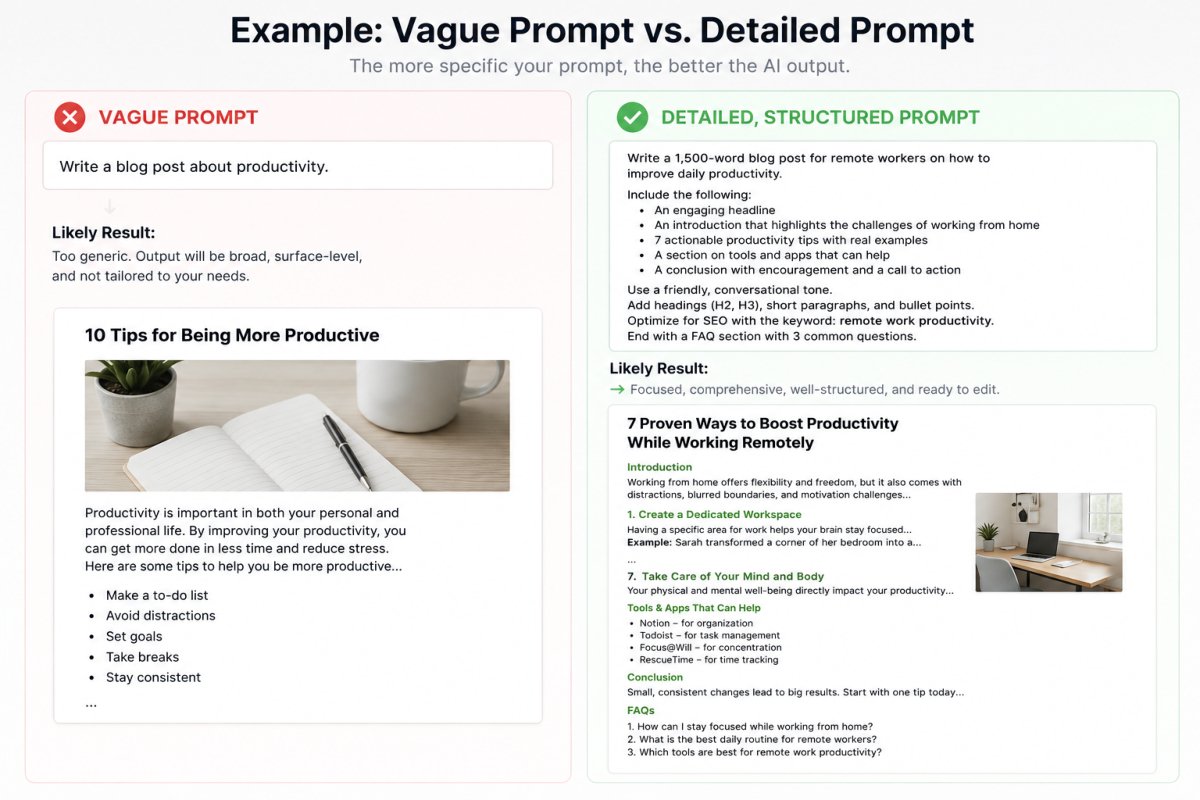
A vague prompt produces vague, generic output, sometimes called “AI slop,” content that reads as technically correct but says nothing specific or useful. A strong prompt includes real direction:
- Specific topic and angle, not just a broad subject
- Target audience, their existing knowledge level and what they actually need
- Structure, the sections or format you want covered
- Tone, matching your actual brand voice
- Specific points to include, not just “write about X”
The Non-Negotiable Step: Fact-Checking Everything
AI tools can generate confident-sounding claims, statistics, and references that aren’t actually accurate. Every factual claim, every number, every specific reference the AI includes needs independent verification before publishing, no exceptions. This is genuinely the single most important step in the entire workflow, and the one most commonly skipped under time pressure.
WebGomu Tip: Never let AI add personal experience claims you don’t actually have. If a draft includes a line like “in my ten years of experience…” and that’s not true, cut it, don’t publish it. A fabricated credential is worse for trust than a piece of content that simply doesn’t claim firsthand experience at all.
Does Google Actually Penalize AI-Generated Content?
Not directly, and this is a common misunderstanding. Google’s spam-detection systems target low-quality, unhelpful content, regardless of whether a human or an AI wrote it. Genuinely useful, accurate, well-edited AI-assisted content isn’t penalized for its origin. What gets flagged is thin, generic, mass-produced content, exactly what skipping the human review step tends to produce.
Quality Over Volume
AI makes it technically possible to publish dozens of posts a day. That doesn’t mean you should. Fewer, genuinely useful, properly reviewed articles consistently outperform a much larger volume of thin, unreviewed ones, both for readers and for how search and AI systems evaluate your site over time. publishing speed was never actually the bottleneck for a growing site, and AI doesn’t change that.
Common Mistakes
- Publishing AI output directly without any human review pass.
- Letting AI invent statistics, quotes, or personal experience claims that aren’t real.
- Using vague, one-line prompts and expecting specific, useful output.
- Prioritizing publishing volume over the review and verification steps that actually determine quality.
Recommended Tools
- Jetpack AI Assistant or AI Engine — solid starting points for AI drafting inside WordPress, covered in our AI plugins guide
- Your own judgment — genuinely the most important tool in this workflow, no plugin replaces the human review step
Key Takeaways
- The full workflow, plan, prompt, generate, review, verify, publish, matters more than any single AI tool.
- Specific, detailed prompts produce meaningfully better output than vague ones.
- Fact-check every claim and never let AI add experience you don’t actually have.
- Google penalizes low-quality content, not AI origin specifically, quality and genuine usefulness are what actually matter.
Frequently Asked Questions
Does Google penalize AI-generated blog posts?
Not for being AI-generated specifically. Google’s spam systems target low-quality, unhelpful content regardless of who or what wrote it. Genuinely useful, well-reviewed AI-assisted content isn’t penalized for its origin.
Can I publish AI-generated content without editing it?
Technically yes, but it’s not recommended. Unedited AI output commonly contains generic phrasing, unverified claims, and a lack of the specific detail that makes content genuinely useful to readers.
How do I stop AI from producing generic content?
Write more specific, detailed prompts, including your target audience, desired structure, tone, and the specific points you want covered, rather than a broad, vague topic request.
Should I let AI add personal experience to make content sound more credible?
No, only if that experience is genuinely true. Fabricated experience claims are a real trust and credibility risk if discovered, worse than content that simply doesn’t claim firsthand experience.
Is it better to publish more AI-assisted posts or fewer, higher-quality ones?
Fewer, genuinely useful, properly reviewed posts consistently outperform a larger volume of thin, unreviewed ones, for both readers and how search and AI systems evaluate a site over time.
Resources Links
Author:

Christoper Enolpe
Founder of WebGomu • WordPress Freelancer with 10+ Years of Experience
Christoper is the founder of WebGomu and a WordPress freelancer with over 10 years of hands-on experience building, optimizing, and maintaining WordPress websites. He writes practical, beginner-friendly guides based on real-world experience, covering WordPress, SEO, website performance, and AI tools to help readers build better websites with confidence.
Learn more: https://webgomu.com/about/
Get one WordPress tip every week
Start Here

The Ultimate Beginner’s Guide to WordPress (2026): Build Your First Website Without Coding
Popular Guides
Our Partner

More from the blog

AI Photo Editing Tools for WooCommerce Product Photos (2026)

Best AI Content Generators for WordPress: A Comparative Review