What is the downside of using WordPress?

The biggest downside is that WordPress requires ongoing maintenance. You’re responsible for updates, backups, and security since it’s self-hosted software, not an all-in-one service. Skipping updates can leave your site vulnerable to hackers or malware. Using too many plugins can also slow your site down or cause conflicts if they aren’t well-coded. There’s a learning curve too: while WordPress is beginner-friendly, mastering themes, plugins, and settings takes time. Costs can add up beyond the “free” software itself, including hosting, premium themes, and plugins. Finally, quality varies wildly across plugins and themes, so beginners can end up choosing poorly built ones. None of this makes WordPress a bad choice, but it means going in with realistic expectations about upkeep.
Author:

Christoper Enolpe
Founder of WebGomu • WordPress Freelancer with 10+ Years of Experience
Christoper is the founder of WebGomu and a WordPress freelancer with over 10 years of hands-on experience building, optimizing, and maintaining WordPress websites. He writes practical, beginner-friendly guides based on real-world experience, covering WordPress, SEO, website performance, and AI tools to help readers build better websites with confidence.
Learn more: https://webgomu.com/about-us/
Get one WordPress tip every week
Start Here
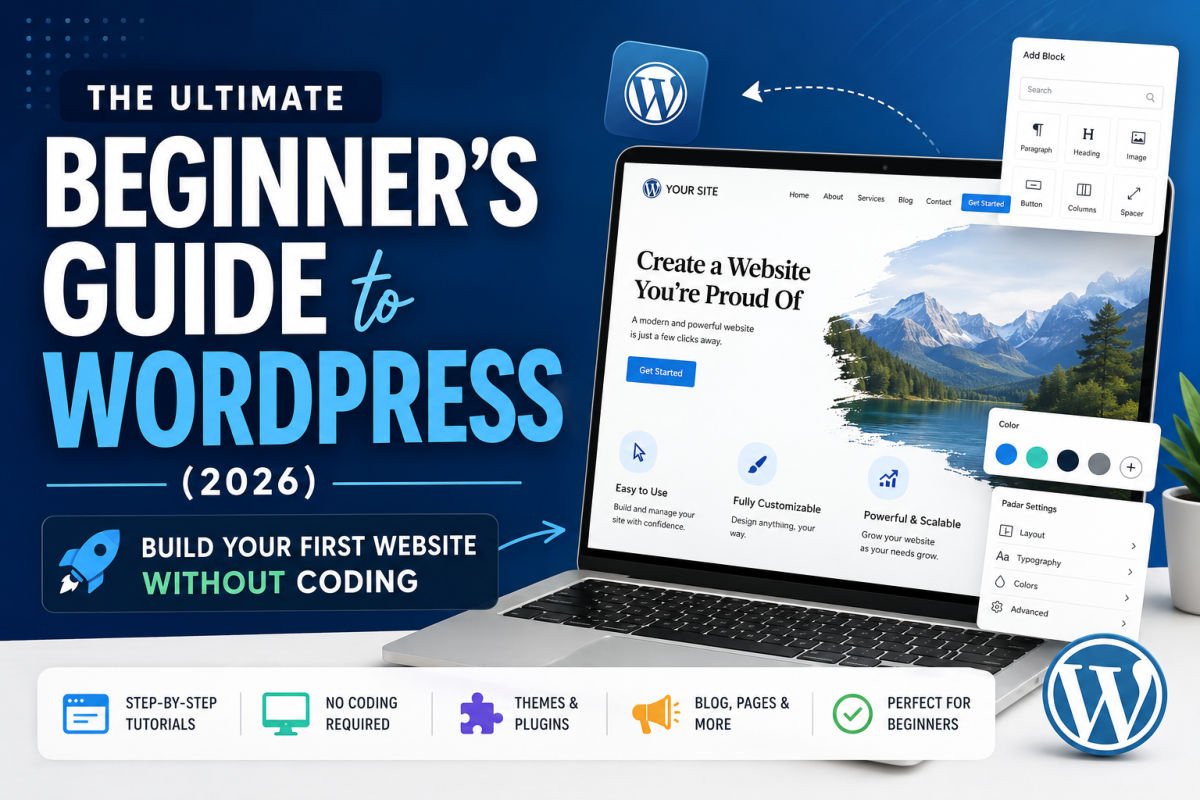
The Ultimate Beginner’s Guide to WordPress (2026): Build Your First Website Without Coding
Popular Guides
More Wordpress Questions
Why do people still use WordPress?
Is there a monthly fee for WordPress?